

Your dog’s health, energy, and overall well-being depend on a balanced diet packed with essential nutrients—and protein is one of the most crucial! Found in meat, fish, poultry, eggs, and more, protein plays a vital role in keeping your dog strong, active, and healthy. 🥩🐕
🔬 What Is Protein and Why Does Your Dog Need It?
Protein is made up of amino acids, the building blocks of life 🧬. These compounds support many essential functions in your dog’s body, including:
✔ Muscle & Tissue Health 💪 – Helps build, repair, and maintain muscles, ligaments, tendons, and cartilage.
✔ Energy Boost ⚡ – Fuels your dog’s daily activities along with carbohydrates and fats.
✔ Shiny Coat & Healthy Skin ✨ – Keeps the coat glossy and skin soft.
✔ Strong Immune System 🦠 – Helps produce antibodies that fight viruses and infections.
✔ Hormone Regulation 🔄 – Supports hormones that control growth, digestion, and metabolism.
📏 How Much Protein Does Your Dog Need?
According to the American Association of Feed Control Officials (AAFCO):
- 🐶 Adult dogs need at least 18% protein in their diet.
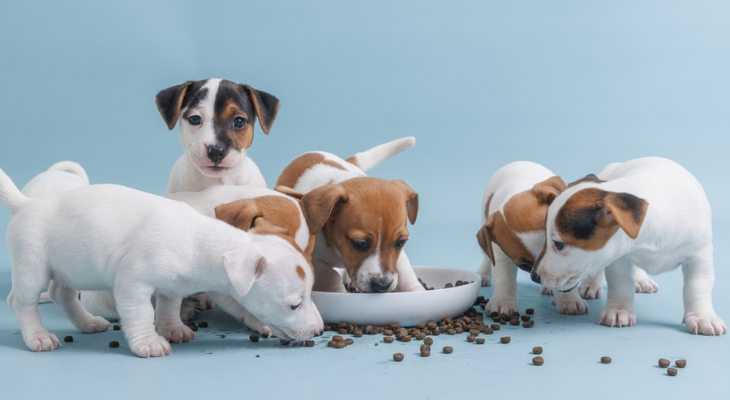
- 🐕🦺 Puppies & pregnant/nursing dogs require at least 22.5% protein.
- 🦴 Large breeds & active dogs may need even more to maintain muscle and energy levels.
🐾 Senior dogs also need extra protein! Research in Topics in Companion Animals found that older dogs require 50% more protein than younger ones, ideally making up 25% of their daily calorie intake.
❌ Signs of Protein Deficiency in Dogs
Not getting enough protein can lead to serious health problems, including:
🚨 Muscle Loss – Weak or shrunken muscles, difficulty standing, or lack of mobility.
🚨 Dull Coat & Skin Issues – Hair loss, dry skin, or slow-healing sores.
🚨 Fatigue – Your dog may seem unusually tired or less active.
🚨 Digestive Problems – Vomiting, bloating, or diarrhea may occur.
🚨 Weight Loss & Growth Issues – Puppies that lack protein may not grow properly.
Protein deficiency could also be caused by Protein-Losing Enteropathy (PLE), a condition where too much protein leaks into the intestines due to:
✔ Inflammatory Bowel Disease
✔ Gastroenteritis & Infections (Salmonella, Histoplasmosis)
✔ Food Intolerances or Allergies
✔ Intestinal Lymphangiectasia
✔ Cancer or Congestive Heart Failure
If you notice any of these signs, schedule a vet visit ASAP to adjust your dog’s diet and treatment plan.
🍖 Choosing the Right Protein for Your Dog
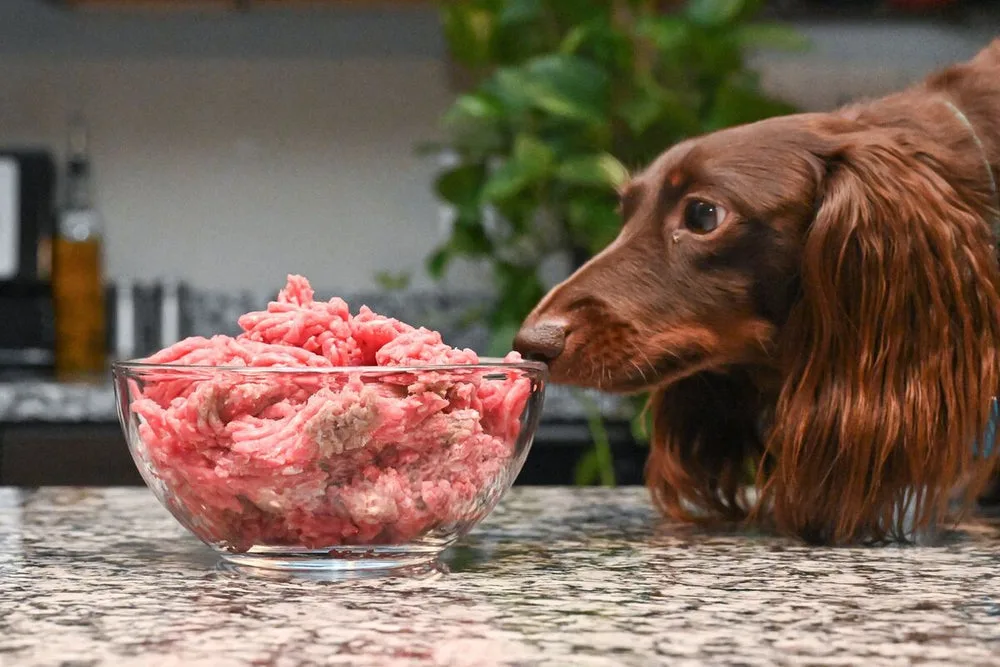
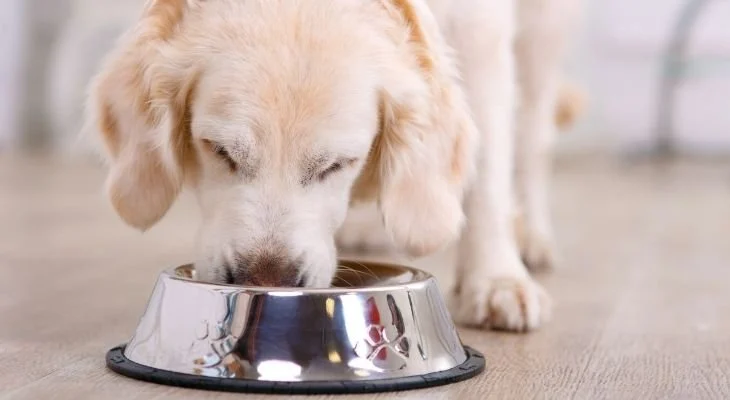
🐕 Most commercial dog foods meet protein standards, but always check for AAFCO approval on the label. Some pet owners prefer a raw diet, but a University of Bristol study found that feeding dogs uncooked meat may increase the risk of antibiotic-resistant bacteria, like E. coli.
👉 If your dog is on a raw diet, practice good hygiene by washing your hands and handling raw meat carefully.
🏥 Need Help with Your Dog’s Diet?
A balanced diet ensures a long, happy life for your furry friend! If you’re unsure whether your dog is getting enough protein, contact us today for expert dietary recommendations and personalized nutrition plans. 🐾💙
📚 References:
✔ American Association of Feed Control Officials (AAFCO): Dog & Cat Food Guidelines (2015)
✔ Topics in Companion Animal Medicine: Pet Food Safety & Dietary Protein (8/2008)
✔ University of Bristol: Feeding Dogs Raw Meat & Antibiotic-Resistant E. Coli (11/2023)
✔ Animal Wellness: Understanding Protein in Dog Food (12/2009)
✔ Tufts University: Essential Nutrients for Pets (5/9/2023)
✔ DVM360: Protein-Losing Enteropathy in Dogs (4/1/2015)